Managing a Small Apartment Building in Northern California: What Changes at Five or More Units
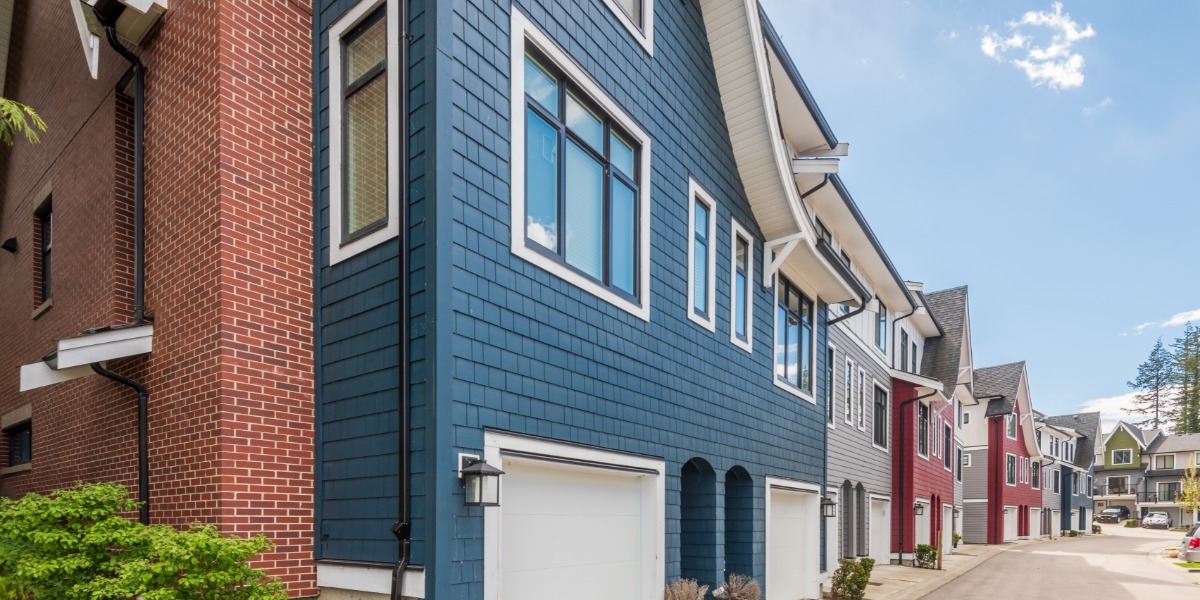
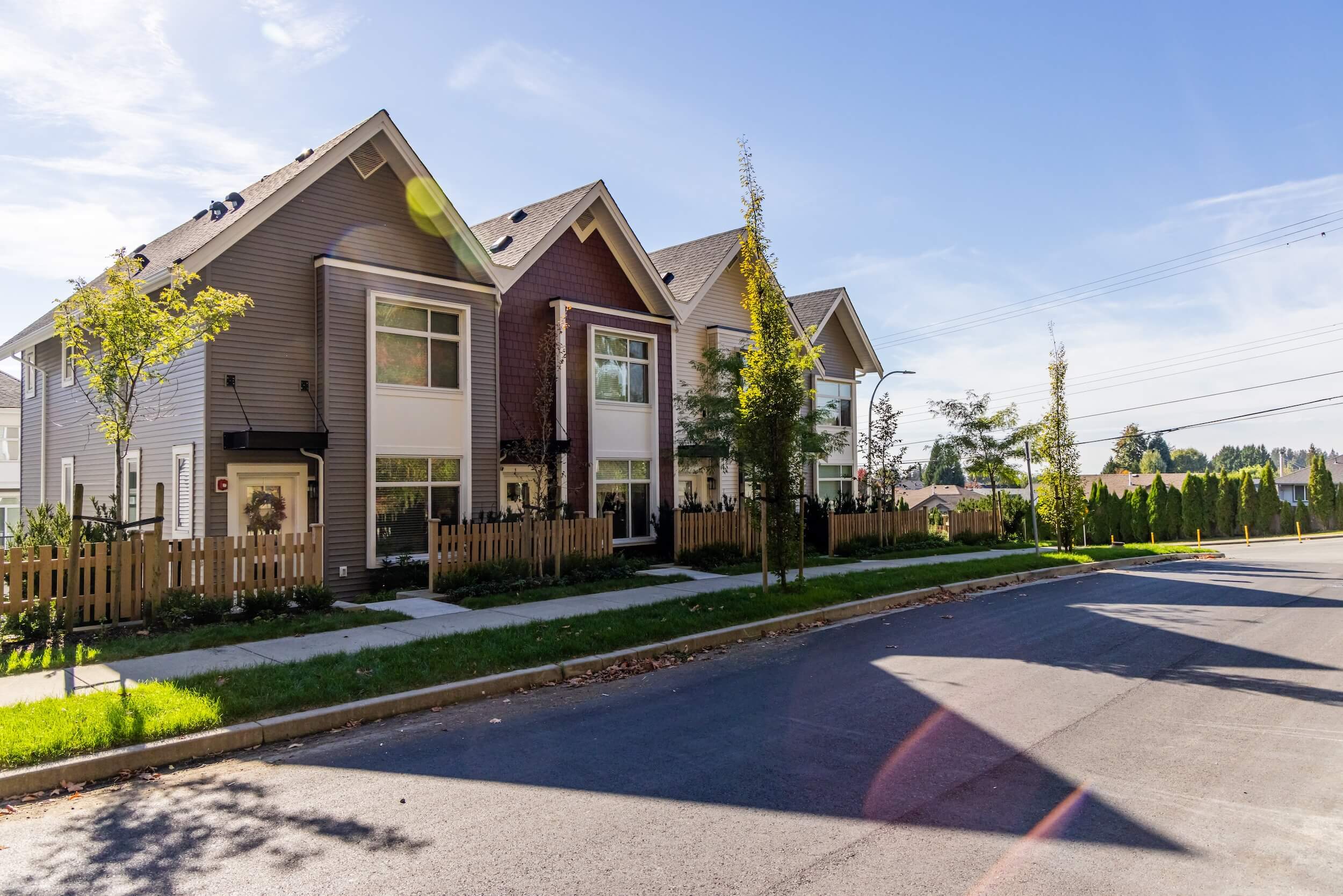
Managing an apartment building with five or more units brings different responsibilities than managing a smaller rental property. Apartment building management has to account for shared systems, common areas, vendor coordination, staffing considerations, and building-wide budgets.
For owners in Chico, Redding, and Sacramento, understanding these differences can be especially important when you've recently acquired a small apartment building or are moving up from a property with fewer units. If you own four units or fewer, our guide to managing a fourplex in Northern California takes a closer look at when professional management may make sense.
So, what changes once you're managing five or more units? We'll look at how building-level operations, on-site management, maintenance, financial planning, and resident relations change as you manage a larger property.
What Changes When You Own a Building With Five or More Units?
Apartment building management requires owners to think beyond individual units and account for the systems and shared spaces that serve the property as a whole.
Shared Building Systems Affect More Than One Unit
A roof, main water or sewer line, shared water heater, exterior lighting system, or laundry area can affect multiple households at once. When something goes wrong, the impact can be broader, making coordinated repairs increasingly important.
Common Areas Require Ongoing Attention
Common areas, grounds, and parking also require regular attention. Residents use these spaces every day, and their condition can influence safety, upkeep, and the overall experience of living at the property.
These are just some of the broader considerations in California multi-family property management. As the number of units grows, the systems used to manage the property need to grow with it.
Does a Small Apartment Building Need an On-Site Manager in California?
Not every small apartment building in California needs an on-site manager. The requirements depend in part on the number of units and whether the owner lives at the property.
California Requirements for 16 or More Units
For apartment buildings with 16 or more units where the owner does not live on site, a manager, janitor, housekeeper, or other responsible person must live on the premises and have charge of the property. When multiple buildings have the same owner and are located on one contiguous parcel, one caretaker can satisfy the requirement for those buildings.
Creating a Local Presence Without a Live-In Manager
For buildings below the 16-unit threshold, owners can still establish a consistent local presence even when a live-in manager isn't required. This is where working with a local property management team can help, particularly for owners who don't live near the property or aren't able to be there regularly.
Hignell Property Management can provide local oversight through scheduled property walk-throughs, vendor and maintenance coordination, and responsive support when issues arise. Owners can stay informed about what's happening at their building without needing to be on site themselves.
How Should Vendors and Preventive Maintenance Work Across a Whole Building?
When managing an apartment complex, maintenance works best when it is coordinated across the property rather than handled one service call at a time. With multiple households relying on shared systems, owners need an organized approach to routine service, preventive maintenance, and vendor oversight.
Build Reliable Vendor Relationships
Recurring service agreements can keep essential work on schedule year-round, including landscaping, pest control, and fire and life safety services. Owners should also confirm required licenses and insurance, establish clear scopes of work, and set expectations for communication and response times.
Plan Preventive Maintenance Around the Property
A building-wide preventive maintenance calendar can help owners stay ahead of routine and seasonal needs. In Northern California, that might mean servicing HVAC systems before summer temperatures rise and inspecting roofs and gutters before the rainy season. Regular scheduling can also help identify developing problems before they affect multiple units or require more extensive repairs.
Account for Required Inspections
Maintenance planning should also account for applicable inspection requirements. California's SB 721, for example, established inspection requirements for certain exterior elevated elements at multifamily buildings with three or more units. These inspections should be factored into long-term maintenance schedules and budgets so required work can be planned for in advance.
How Do Budgeting, Reserves, and Capital Planning Change at Scale?
Managing the finances of an apartment building means looking at income and expenses across the property as a whole. A building-wide operating budget can help owners account for rental income alongside recurring expenses such as utilities, landscaping, maintenance, insurance, and other operating costs.
Prepare for Larger Capital Expenses
Not every expense occurs on a predictable monthly or annual schedule. Roofing, paving, exterior painting, and major building systems can require significant investment when repairs or replacement become necessary. Establishing reserves and maintaining a three-to-five-year capital plan can help owners anticipate these needs and prepare for improvements over time.
Keep Owners Informed With Regular Reporting
Financial reporting should give owners a clear view of current operations as well as how actual performance compares with the building's budget. Depending on the property and management approach, regular reporting may include:
- Monthly financial statements
- Rent rolls
- Budget-to-actual comparisons
- Capital project tracking
Look Beyond the Monthly Numbers
Reporting can also help owners identify trends and make more informed decisions about the property over time. Rather than covering those metrics in depth here, we've outlined five data points every multi-family investor should track for a closer look at property performance.
How Do Leasing and Resident Relations Change With More Households?
With more households living at the same property, leasing and resident relations require clear processes for setting expectations, communicating with residents, and managing renewals.
Establish Clear Community Standards
Written community standards for parking, common areas, noise, guests, pets, and other shared concerns help residents understand expectations and give owners and managers a consistent framework for addressing issues. Applying policies consistently is also important for supporting fair housing compliance.
Communicate Across the Building
Some updates affect more than one household at a time. Water shutoffs, work in common areas, and property policy changes all require a reliable process for providing notices and keeping affected residents informed about what to expect.
Plan Ahead for Renewals and Retention
Tracking lease expirations and renewals across the building gives owners time to prepare for upcoming leasing needs and can help prevent too many turnovers from occurring at once.
Resident retention should be part of that approach. Maintaining strong resident relationships, responding to concerns, and addressing renewals in advance can support steady occupancy and help protect the building's overall rental income.
Build the Right Systems for Your Apartment Building
As an apartment building grows, having repeatable processes in place can make it easier to manage day-to-day operations while preparing for longer-term property needs. The goal is to create an approach that works across the entire building rather than addressing each need as it comes up.
Hignell Property Management brings decades of multifamily experience to properties throughout Northern California. Our multi-family portfolio includes communities such as 1661 Forest Avenue Apartments in Chico, a 224-unit property Hignell developed in 1990 and has managed ever since.
Your building deserves a management plan built for its size. Whether you own a 6-unit building or a 60-unit community, Hignell's multifamily team can review how your property operates today and show you what professional apartment property management could look like.